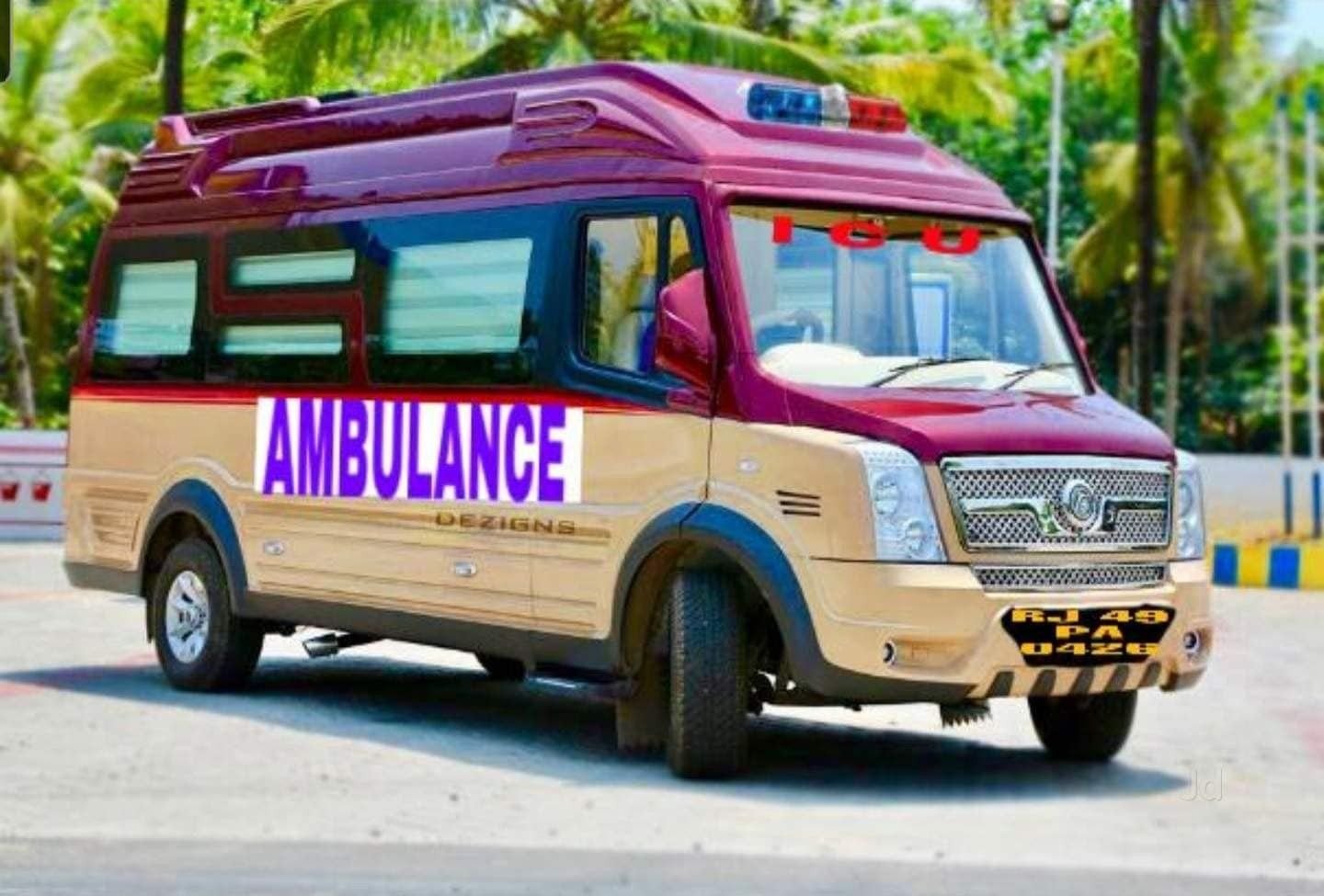
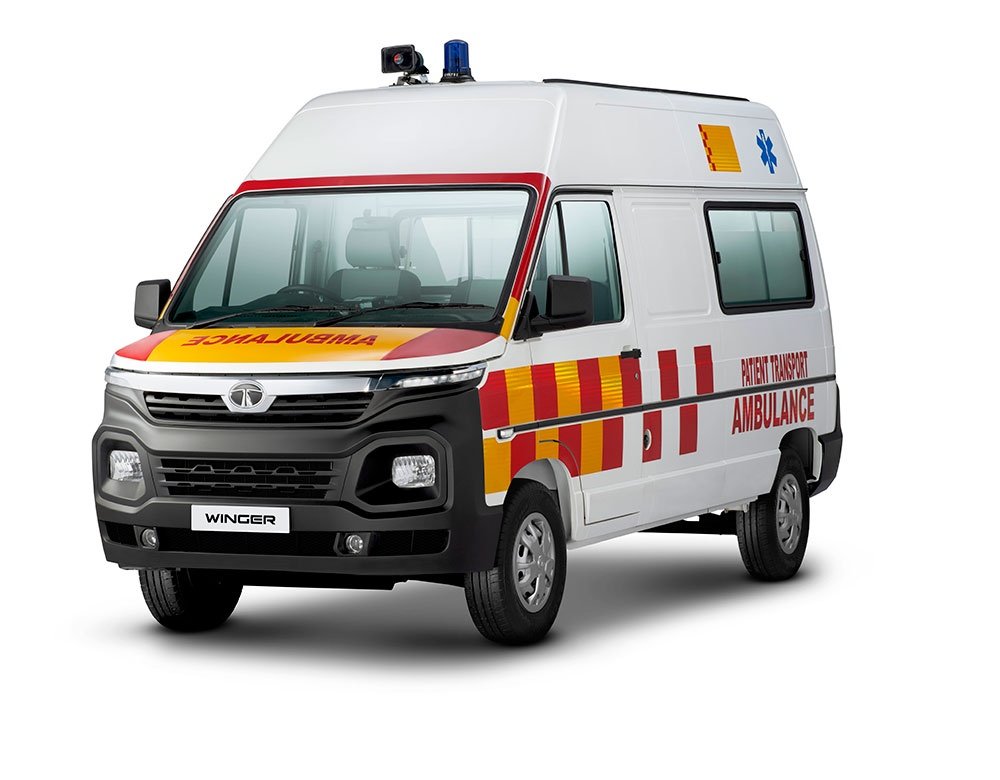
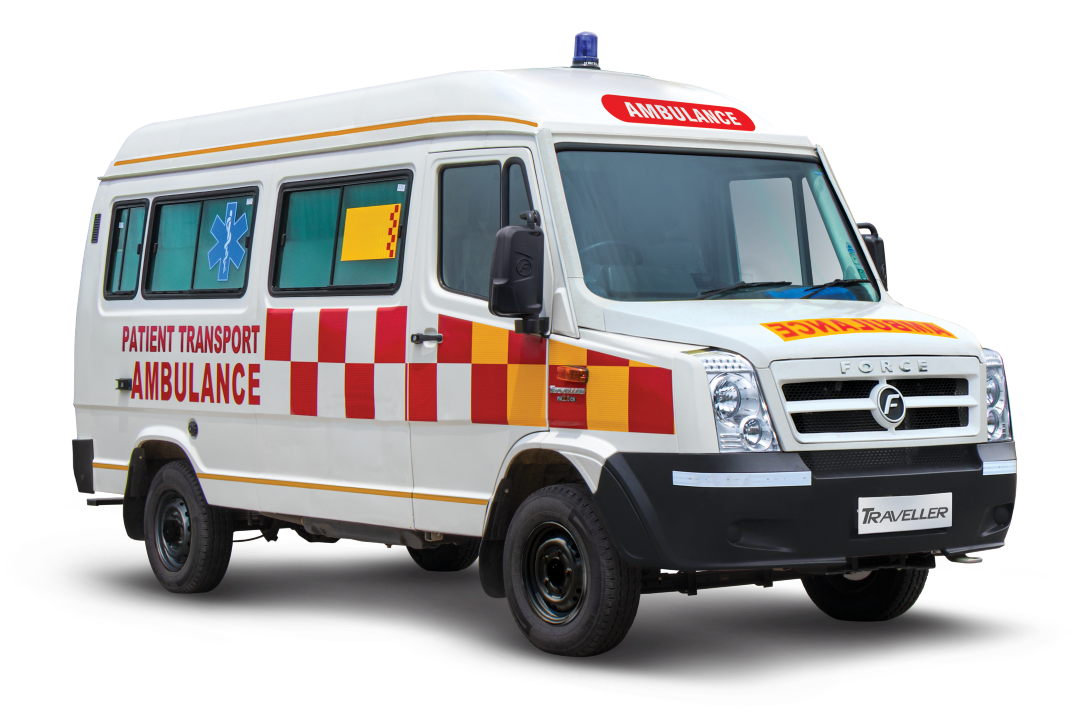
Different Category of Ambulance services available with Onepoint Diagnostics LLP –
Basic Life Support (BLS) - A Basic Life Support ambulance is the most common type of emergency service and is typically the first responder in these situations. These ambulances come equipped with essential medical devices and trained personnel. So, they can provide basic medical care on the spot. Their main job is to stabilise patients, administer first aid, and ensure a safe transportation environment. BLS ambulances are often dispatched for non-life-threatening emergencies and play a crucial role in initial patient assessment and support.
Advance Life Support (ALS), with ICU capabilities - Advanced Life Support ambulances are equipped with additional medical equipment and highly trained medical professionals capable of providing life-saving assistance in emergencies. Simply put, they are the advanced version of Basic Life Support ambulances. ALS ambulances can administer medications, perform advanced airway management, monitor vital signs, and provide cardiac life support. So, these ambulance services are typically dispatched for more critical emergencies, where immediate medical intervention is necessary.
Intensive care unit (ICU) Ambulance - ICU ambulances are specially designed emergency services that help in transporting critically ill patients who require intensive medical care. These ambulances come equipped with advanced life support systems, ventilators, cardiac monitors, infusion pumps, and other critical care equipment. During the transportation, highly trained medical personnel, such as critical care nurses and doctors, accompany the patient to provide constant monitoring and specialized care throughout the journey.
Non-emergency Patient Transport Vehicle (PTV) - Non-emergency patient transport ambulances are helpful in transporting stable patients who require medical assistance but do not require immediate emergency care. The advantage of these ambulances is that they free up emergency resources and provide transportation services for patients going to and from medical appointments, rehabilitation centres, or nursing homes. They further ensure the comfort and safety of patients during transportation. It includes factors like seating comfort, accessibility, and medical equipment requirements.
Neonatal Ambulance - Specially modified to transport premature or critically ill infants. They feature pediatric-specific incubators, neonatal ventilators, and specialized infant medical staff.
Bariatric Ambulance - Built with heavy-duty reinforced stretchers and extra interior space to safely accommodate and transport obese patients.
Mortuary Ambulance / Dead body Ambulance - Dead body ambulances are also known as mortuary vans. These ambulances are used for the dignified transportation of deceased individuals. They come with facilities to preserve and transport the body and also ensure compliance with cultural and legal requirements. Dead body ambulances have a vital role in providing a respectful and organized means of transporting the deceased to mortuaries or funeral homes.

 For Home Visit, Dial: